Local Honey in Kent
1 local beekeeper selling honey direct from the hive in Kent, South East.
The Character of Kent Honey
Farming and fruit growing are important for honey in many parts of the county. As the historic Garden of England, the county's heavy reliance on pollination shapes the regional nectar profile, though it is softened by ancient woodlands and chalk downlands. When you sample local Kent honey, you are often tasting a direct product of this working landscape. It ranges from the exceptionally pale and mild nectars of commercial flowering crops to the surprisingly dark, rich, and slightly astringent honeys drawn from ancient woodland coppices. It is a county where commercial necessity and natural foraging seamlessly blend to create interesting variety.
What the Bees Forage On
A bee's diet in Kent is heavily dictated by the local farming calendar. In the spring, the county's famous apple, pear, and cherry orchards provide an early and vital nectar flow, alongside vast yellow fields of oilseed rape which yield a pale, buttery honey that sets almost instantly. As the season progresses into summer, in some areas, bees may also work fields of borage, which produces a brilliantly clear, water-white honey with a delicately mild flavour. Down in the Weald and across the county's ancient woodlands, sweet chestnut coppices offer something entirely different, yielding a dark, liquid honey with a distinctively rich, slightly bitter tang. Meanwhile, bees situated near the North Downs work the chalk grassland for wild marjoram and thyme.
The Local Beekeeping Scene
Farmers across Kent benefit from the large and very active community of passionate amateur beekeepers. The local scene is structured and highly active, supported by the Kent Beekeepers' Association, which boasts twelve distinct branches across the county. This creates a fascinating dynamic where traditional farming knowledge rubs shoulders with enthusiastic back-garden beekeeping. Whether it is a few hives tucked behind a cottage or a commercial apiary nestled in a vast fruit farm, Kent's beekeepers share a profound connection to the county's fertile and productive landscapes.
The Honey Seasons
The agricultural calendar dictates a distinct and highly segmented harvest year. The spring harvest is usually the first major event, dominated by orchard blossom and oilseed rape. This early honey is often extracted by late May and is typically sold softly set or creamed, as its high glucose content causes it to crystallise very rapidly. The summer crop, usually harvested in August, is where the greatest variety emerges. Depending on exactly where the hives are placed, you might find the clear runniness of a borage honey, the floral sweetness of a mixed downland harvest, or the robust, dark amber syrup of sweet chestnut. Buying local Kent honey later in the year is a great way to discover exactly which corner of the county the bees have been working.
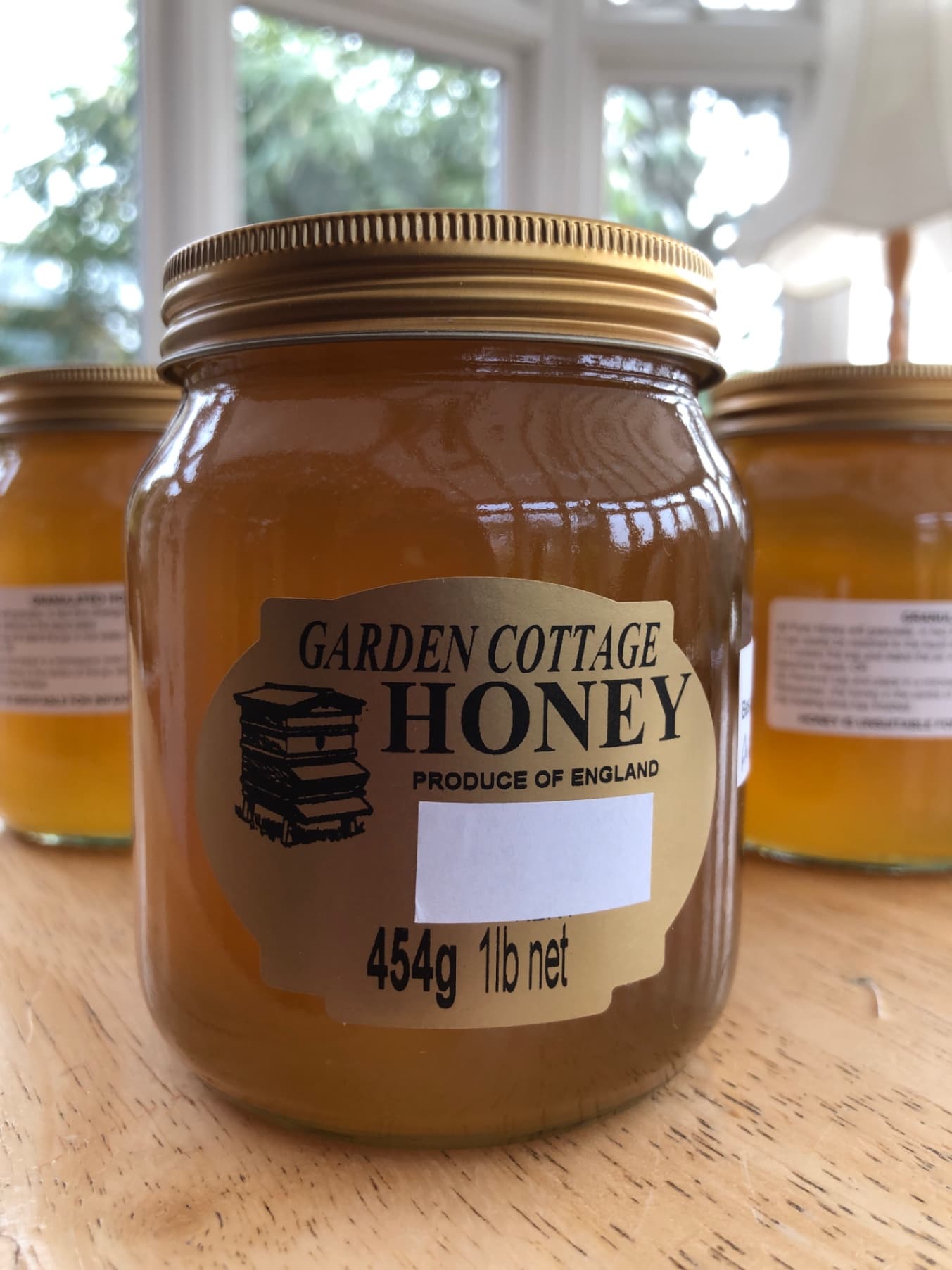
Are you a beekeeper in Kent?
Whether you have a few hives in your garden or a larger apiary, we make it easy to connect with buyers who appreciate real, local honey. Join our community of producers today.
Add your apiary to the marketplace