UK Honey Labelling Rules: A Simple Guide for Small Beekeepers
Last updated: March 2026
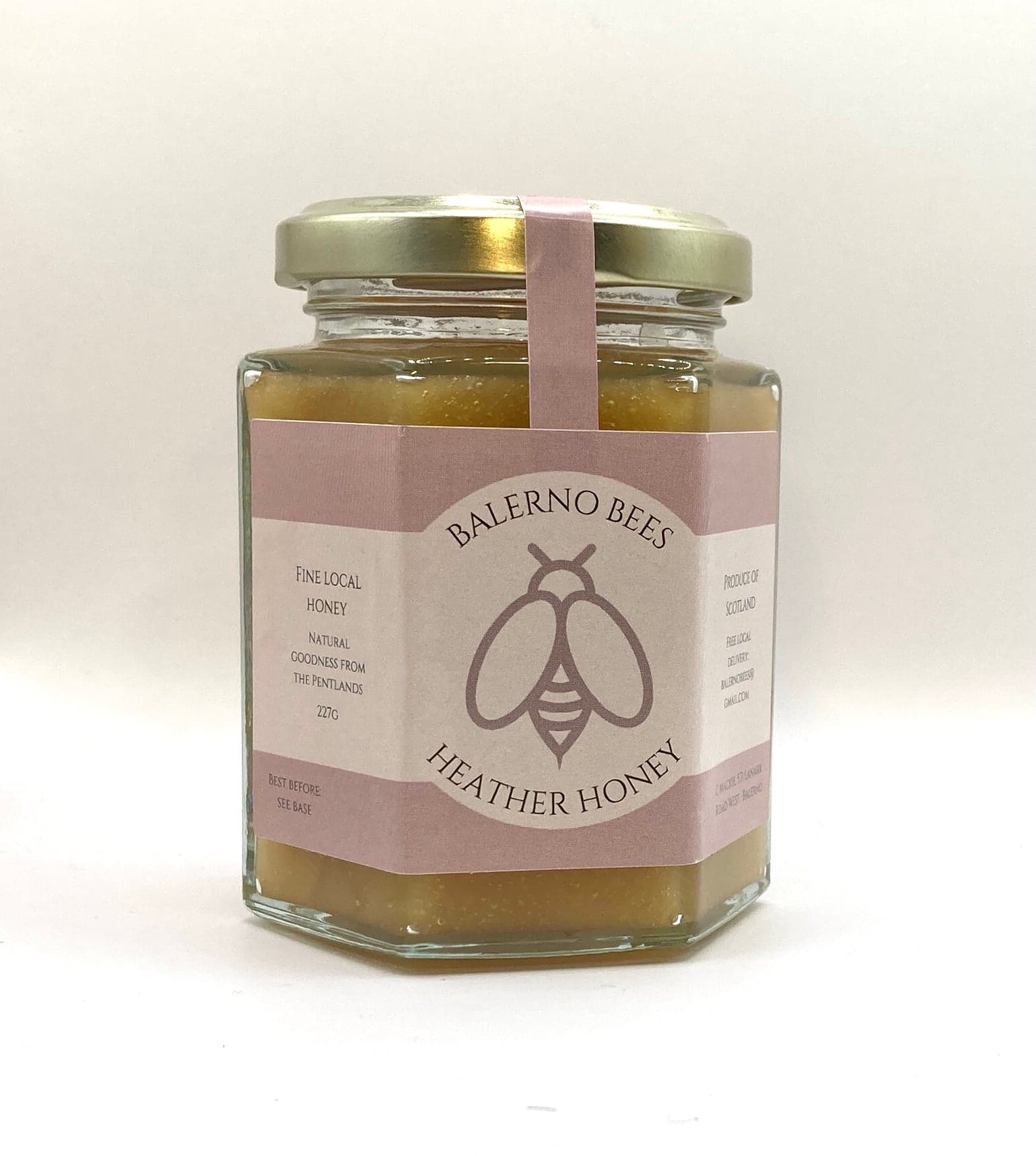
You've extracted the honey, settled it, and jarred it up. It looks brilliant. But now comes the bit that makes most new beekeepers sweat: the label.
Trading Standards, environmental health officers, the Honey Regulations... it sounds terrifying. I've known perfectly good beekeepers put off selling their harvest entirely because they're worried about getting a hefty fine over a font size.
Don't panic. The rules are actually straightforward once you strip away the legal jargon. This is what you need on your jars to stay on the right side of the law.
The 6 Things Every Honey Label Must Have
1. The Product Name
It must say “Honey”. You can add the floral source (like “Borage Honey”) if the honey comes wholly or mainly from that specific blossom. If you want to use a regional or territorial name (like “Edinburgh Honey”), the rules are stricter: the honey must come entirely from that specific place.
One of the biggest controversies in beekeeping circles in recent years has been over the word “raw”. Raw comb honey is clearly raw — but what about honey in jars? Does the act of extracting it make it not raw? Debate continues, but the growing consensus is that honey can be considered raw as long as it is not fine filtered, and not heated. Just don't ask for a technical definition of what “heated” means or you'll start another argument…
2. The Net Weight
You must state the weight in grams (g) or kilograms (kg) because metric is mandatory. If you want to include imperial ounces for your older customers, that's fine, but the metric weight must be larger and come first. For example, “227g (8oz)” works perfectly.
3. Best Before End (BBE) Date
Even though honey practically lasts forever, the law still wants a date. Most beekeepers put two to three years from the date of jarring. Writing “Best Before End: Month Year” or “Best Before End: Year” is all you need.
4. Lot or Batch Mark
If you need to trace a jar for any reason, you need to know exactly which bucket it came from. A batch code helps trace it.
Here's a trick most beekeepers use: if your Best Before End date includes the day, month, and year (e.g., BBE 15/09/2026), that legally acts as your lot mark. If you just use the year (BBE 2026), you need a separate batch number on the label (like L123).
5. The Producer's Name and Address
Customers and Trading Standards need to know who packed the jar. You need to provide a physical postal address where your business can be contacted. A website or email address alone isn't enough, and while PO Boxes are sometimes used by larger firms, a standard physical address is the normal requirement for small producers.
My partner was not entirely keen on the idea of putting our home address on jars, but in 5 years I have had many hundreds of emails but no one has ever knocked on the door!
6. Country of Origin
You must indicate where the honey was harvested. The law doesn't mandate one specific phrase, but common and acceptable wordings include “Produce of England / Scotland / Wales / NI” or plain old “the UK”.
What About the Infant Warning?
You've probably noticed “Unsuitable for infants under 12 months” on supermarket honey. This is not a legal requirement in the UK.
However, it is strongly recommended by the Food Standards Agency to prevent infant botulism. It takes up barely any room and it's just good practice.
The Nutritional Information Exemption
Do you need that complicated grid of calories and sugars on the back? No.
Because raw honey — yes, I am on that side of the debate (!) — is an unprocessed, single-ingredient food, it is exempt from providing a nutritional declaration. Keep your label clean and simple.
Font Size and Legibility
There are strict rules on how big the text must be. The product name and the net weight must both be in the same field of vision. This means a customer shouldn't have to spin the jar around to read both of those things at once.
For a standard 227g (8oz) or 340g (12oz) jar, the numbers for the weight must be at least 4mm high. Don't hide the legal bits in a tiny, illegible script just because you want the label to look artistic.
Beyond the Label
Sorting your labels is just one part of the puzzle. Have a read through our other guides to make sure you're fully prepared for your first sale:
- How to Price Your Honey Without Undercutting Yourself
- Do I Need Insurance to Sell Honey?
- Farmers' Markets vs. Selling Online
For the exact legal wording, you can read the Honey (England) Regulations 2015 (or the Scottish/Welsh equivalents) on the government legislation site. The British Beekeepers Association (BBKA) also has excellent labelling flowcharts in their members' area.