How to Price Your UK Honey Without Undercutting Yourself
Last updated: March 2026
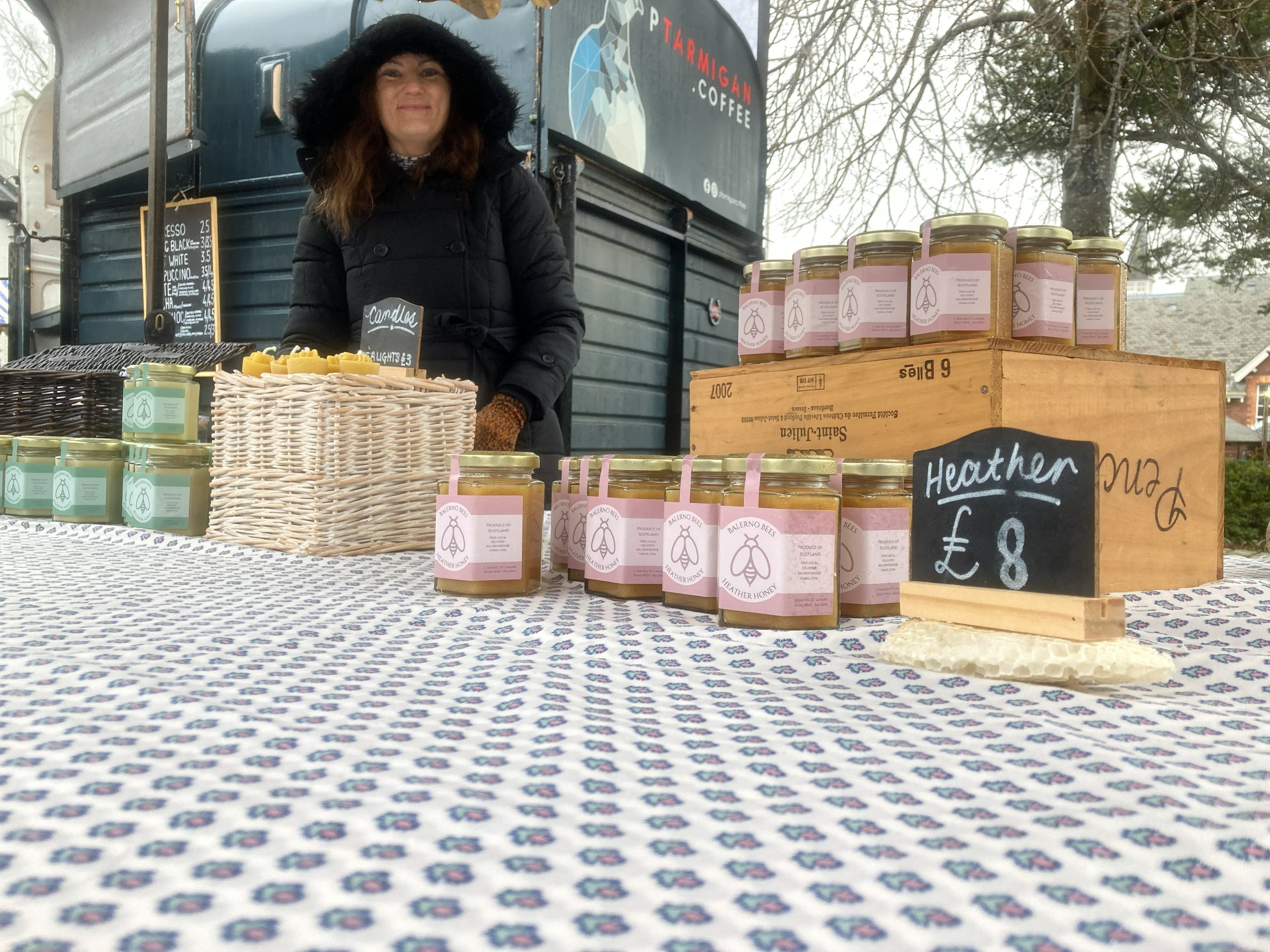
You've poured time, money, and sweat into your hives. You've jarred up a beautiful, golden crop. Now you have to stick a price on it.
This is where I see most beekeepers freeze. You look at the supermarket shelves, see blended import honey selling for £1.50, and suddenly worry nobody will pay what yours is actually worth. So, you underprice it just to get rid of it.
Stop doing that. Local, raw British honey is a premium product. People expect to pay a fair price for it, provided you know how to value it properly. Here is how to work out a price that respects your bees and covers your costs.
The Hidden Costs in Every Jar
Before you set a price, you need to know what a jar actually costs you to produce. The bees work for free, but you don't.
Sit down and tally up your consumables. You have the glass jars, the metal lids, and the custom labels. Then add up your winter fondant, syrup, varroa treatments, and the inevitable wear and tear on your frames and foundation.
By the time you put a lid on it, that jar might already owe you £2.00 or more in hard costs.
Use the calculator below to work out your actual cost per jar.
Honey Production Cost Calculator
Defaults based on UK 2026 averages. Adjust for your own setup.
Max 90%
Your estimate
Cost per jar
£2.60
Suggested retail at 50%
£5.20
Market comparison
Your suggested price is below the typical UK range of £7.00–£10.00 for 454g jars.
Want postcode-level averages? Check The Honey Index.
Cost/jar
£2.60
Sell at 50%
£5.20
Average UK Honey Prices
Prices vary by region, but as a rough guide, here are the typical ranges for a 2026 harvest.
For a standard run-of-the-mill spring or summer blossom honey, a 1lb (454g) jar usually sells directly to the public for anywhere between £7.00 and £10.00.
If you pack in smaller 8oz (227g) jars, you can usually command a slightly higher price per gram. These often sell for £5.00 to £7.00. Smaller jars make great gifts, which means customers are less price-sensitive.
Premium Pricing for Speciality Harvests
Not all honey is created equal. If your bees have been working a specific, highly prized crop, you should charge accordingly.
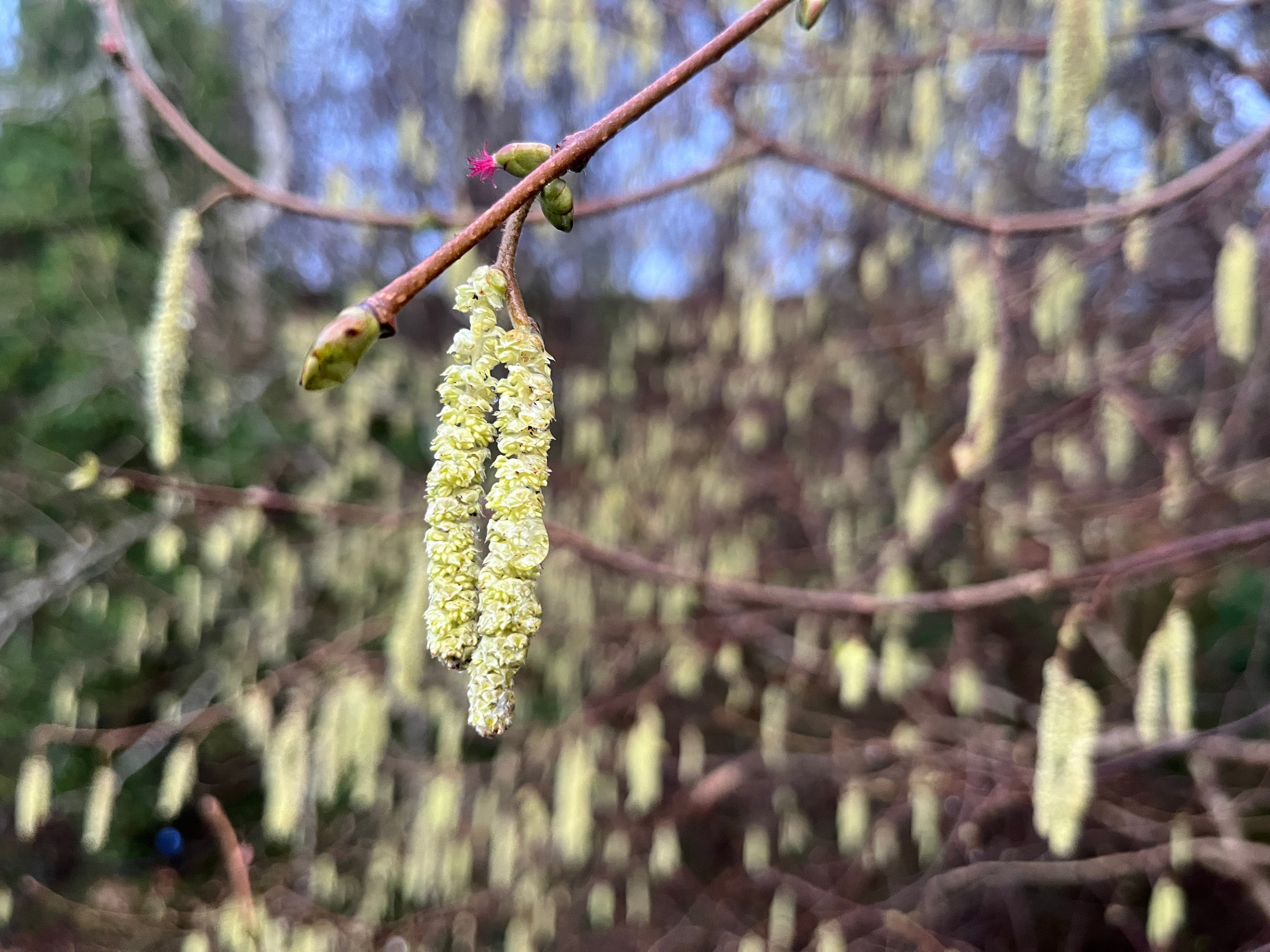
Heather honey is notorious for being an absolute nightmare to extract. It requires specialised equipment like a honey press, and the yield per hive is often lower. Because of the intense labour and incredible flavour, heather honey frequently sells for £12.00 to £16.00 for a 1lb jar.

If you have beautiful, clean, capped frames, consider selling cut comb. It requires zero extraction, saves you buying jars, and commands a massive premium. A 200g block of cut comb can easily fetch £8.00 to £12.00.
The Farm Shop Trap: Wholesale vs. Retail
Many new beekeepers dream of seeing their jars in the local farm shop. It feels like real validation. But the maths can be brutal.
A retail shop typically wants a 40% to 50% margin. If they sell your jar for £8.00, they want to buy it from you for £4.00 to £4.80. Once you deduct your jar, lid, label, and feed costs, you are making pennies for your hard work.
The most profitable way to sell is direct to the consumer. Cutting out the heavy wholesale middleman keeps the margin in your pocket. Full transparency: platforms like our marketplace are also middlemen, but our all-in cost is around 9% (a 6% platform fee plus card processing) rather than half your retail price. It leaves enough to make your beekeeping actually pay for itself.
Beyond Pricing
Figuring out what to charge is just one part of the puzzle. Have a read through our other guides to get your operation fully sorted:
- Honey Jar Calculator: How Many Jars from a Bucket?
- UK Honey Labelling Rules: A Simple Guide
- Do I Need Insurance to Sell Honey?
- Farmers' Markets vs. Selling Online
If you want to track national averages, local beekeeping association Facebook groups and forums are the best place to check the going rate in your county.